
The Sleep Sanctuary: 3 Bedroom Environment Upgrades for Deeper Rest
SLEEP
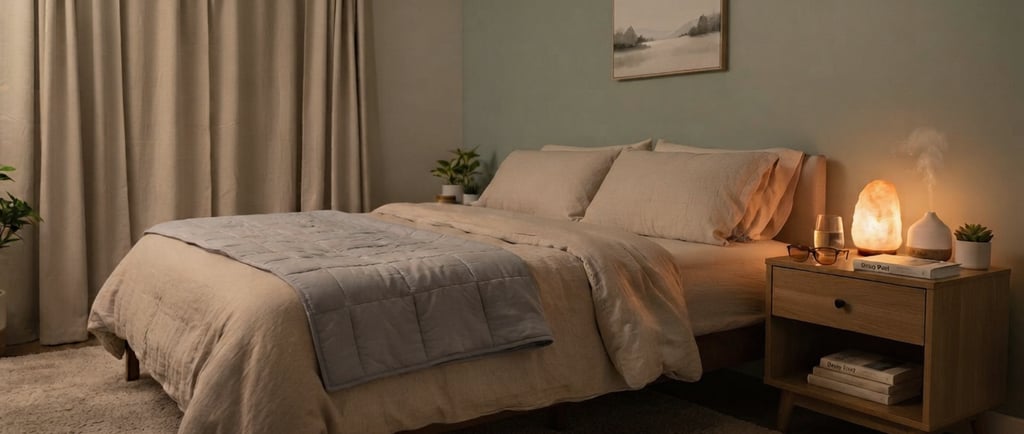
We spend roughly one-third of our lives in bed, yet many of us treat our sleeping space as an afterthought—a place to crash after a long, frantic day rather than a sanctuary for recovery. If you find yourself tossing and turning, unable to quiet your mind when your head hits the pillow, the issue may not be your schedule; it may be your environment.
At the core of functional wellness is the idea that your surroundings dictate your internal state. If your bedroom is cluttered, overly bright, or too warm, your nervous system remains on "high alert" rather than sliding into the deep recovery cycle your body craves.
Here are three science-backed adjustments you can make tonight to optimize your sleep sanctuary.
1. Master the Temperature Drop
Your body’s core temperature needs to drop to initiate and maintain deep sleep. Keeping your room at the ideal temperature ensures your body can smoothly transition into restorative rest.
The Adjustment: Aim for a bedroom temperature between 15°C to 19°C (60°F to 67°F) to keep the environment comfortably cool and support your natural internal cool-down phase.
If you can’t control the central air, try a breathable cooling blanket or a light mattress pad. Taking a warm shower an hour before bed can also help. The heat causes your blood vessels to dilate, which releases body heat more efficiently once you step out, cooling your core down just in time for sleep. Here are some lightweight bedding and cooling accessory recommendations to make your bed exceptionally comfortable.


2. Dim the Blue Light: How to Signal "Sunset" to Your Brain
The blue light emitted by our devices and overhead household lamps mimics the spectrum of the midday sun, which suppresses melatonin—the hormone responsible for signaling that the day is over.
The Adjustment: Swap high-intensity overhead lighting for "warm" spectrum bulbs (amber or red hues) at least 60 minutes before bed.
If you must use a light, use a dim bedside lamp or salt lamp. For a deeper, more functional approach, many people use blue-light-blocking glasses in the hour before bed to protect natural melatonin production. You can also use amber bulbs and relaxing aromatherapy mists to elevate the nighttime atmosphere of your bedroom.


3. Declutter Your "Visual Noise"
Your brain processes your environment subconsciously, even when your eyes are closed. A bedroom filled with piles of laundry, work papers, or tech gadgets creates "visual noise" that keeps your brain in a state of low-level stimulation.
The Adjustment: Your bedroom should be for sleep, intimacy, and rest only. Clear the surfaces. If your bedroom doubles as your home office, physically cover your work setup or hide your laptop in a drawer before you begin your nighttime routine.
Create a "shutdown" trigger. Just as you have a morning ritual, your evening needs a closing ceremony. This could be as simple as lighting a candle, spending five minutes stretching, or applying a soothing magnesium-rich body lotion—a fantastic tool for physical relaxation. The closing ceremony signals to your brain that the day's demands are officially over.


Transform Your Rest
Sleep is not a luxury; it is the ultimate foundation for every other aspect of your health, from your mood to your skin and energy levels. By making these small, environmental shifts, you move from "trying to sleep" to creating an environment that invites sleep to happen naturally.